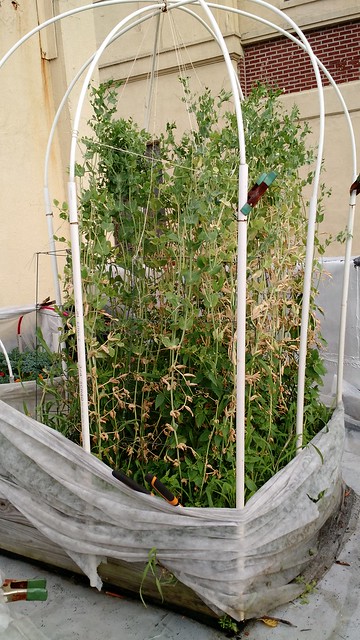
Planting Guide: Swapping Sugar Snap Peas for Thriving Summer Beans
As the vibrant hues of spring begin to mellow into the longer, warmer days of summer, keen gardeners know that a significant shift is underway in the vegetable patch. It's a natural rhythm, a dynamic transformation that sees one beloved crop gracefully bow out to make way for the next. This seasonal transition, often described as a changing of the guard from peas to beans, is not merely about replacing plants; it's a strategic move that invigorates your garden, optimizes yields, and promises a continuous bounty of fresh produce. If you've just celebrated a successful spring harvest of crisp sugar snap peas, get ready to usher in a new era of delicious, protein-packed beans.
The Grand Seasonal Swap: Why Your Garden Needs a "Changing of the Guard"
The transition from late spring to early summer marks a pivotal moment for many gardeners. Just as collard greens might be replaced by pumpkins, broccoli and cauliflower give way to soybeans and cucumbers, and lettuce makes room for cantaloupe, the much-anticipated departure of sugar snap peas signals the arrival of summer's star legume: beans. This structured rotation isn't arbitrary; it's a fundamental principle of sustainable gardening.
By implementing a changing of the guard from peas to beans, you naturally enhance your garden's health. Different plant families draw varying nutrients from the soil, and they also have unique pest and disease susceptibilities. Rotating crops helps to prevent the buildup of specific pathogens and pests that might target a single crop if it were grown in the same spot year after year. For instance, peas, being nitrogen-fixers, leave behind enriched soil that can wonderfully benefit nitrogen-hungry beans. This strategic planning ensures your garden remains productive and resilient through every season.
Saying Goodbye to the Sugar Snap Success Story
It's always a bittersweet moment when a highly productive crop reaches the end of its cycle. Our sugar snap pea plants, for example, have a remarkable track record. They are consistently among the most reliable plants, delivering abundant yields in both spring and fall. The sheer volume can be impressive; imagine harvesting ten pounds or more, filling your fridge with emerald-green pods, ready for everything from pasta dishes and baked sides to flavorful Chinese soups.
For many, this abundance leads to creative culinary experiments and, crucially, smart preservation. Freezing a few pounds ensures you can enjoy that irresistible "summer crunch" for months to come, long after the plants have been removed. Despite the lingering presence of perhaps a hundred flowers on the pea plants, each with the promise of more pods, the necessity of the summer calendar dictates their removal. It’s tough to cut down a plant that’s still giving so much, but making space for the next wave of produce is essential for a continuous harvest.
This careful planning for the next phase of your garden's journey is crucial. To dive deeper into this transformation, consider reading The Great Pea-to-Bean Swap: Transforming Your Summer Garden for more insights into this exciting seasonal shift.
Preparing the Beds: Cultivating for Summer Bean Success
Once the pea plants have been harvested and their structures removed, the real work of preparing for the bean brigade begins. The first step involves thoroughly clearing the garden beds. This often means diligently weeding, especially if you've previously incorporated certain types of organic matter into your compost. For instance, using straw in compost, while seemingly beneficial, can sometimes introduce an abundance of weed seeds. A valuable lesson learned for future composting endeavors!
However, the removal of old plants and weeds doesn't mean they're simply discarded. Instead, these organic materials can be cut up and buried back into the soil. This practice, known as 'chop and drop' or green manuring, is an excellent way to return valuable nutrients to the earth. As the plant matter decomposes over the next few months, it enriches the soil with essential organic matter, improving its structure, water retention, and overall fertility. This method ensures that the plants keep giving back, even after their harvest season is over, preparing a rich, healthy foundation for your new bean plants.
Before planting your beans, consider a quick soil test if you haven't done one recently. Beans generally thrive in well-draining soil with a pH between 6.0 and 7.0. Amending the soil with a balanced organic fertilizer or a fresh layer of finished compost can provide the necessary nutrients for a strong start, especially after the peas have depleted some resources.
Welcoming the Bean Brigade: Varieties for a Bountiful Summer
With your garden beds meticulously prepared and teeming with renewed life, it's time to introduce the stars of summer: beans! The diversity within the bean family offers exciting possibilities for gardeners. This year, we might opt for 'Cosmos' bush beans in several containers, including longer bins, known for their compact growth and prolific yields. Bush beans are excellent for smaller spaces or for gardeners who prefer not to manage trellises.
For those with more vertical ambitions, 'Monte Gusto' pole beans are a fantastic choice. Just like peas require support, pole beans need sturdy trellises, fences, or stakes to climb. Installing these supports Summer Garden Shift: From Abundant Peas to New Bean Varieties is crucial before the beans start to vigorously grow, guiding them upwards for better air circulation, easier harvesting, and often higher yields.
One of the most satisfying aspects of planting beans is their rapid germination. Within just a few days of planting, you'll often see the first tender sprouts pushing through the soil, a testament to nature's quick response to your efforts. And sometimes, nature throws in a delightful surprise! A forgotten yard-long bean from two years prior might mysteriously sprout, taking over a section of the fence, showcasing the incredible resilience and "miracle magic" that makes gardening so endlessly fascinating.
Maximizing Your Summer Bean Harvest: Tips for Success
To ensure your bean plants flourish and provide a continuous harvest throughout the summer, here are a few practical tips:
- Optimal Planting: Plant bean seeds 1 inch deep and about 3-4 inches apart. For bush beans, plant in rows 18-24 inches apart. For pole beans, space them 4-6 inches apart around their support structures.
- Consistent Watering: Beans need consistent moisture, especially during flowering and pod development. Aim for 1 inch of water per week, either from rain or irrigation. Avoid overhead watering late in the day to prevent fungal diseases.
- Support Systems: Ensure pole beans have strong, tall trellises (6-8 feet) right from the start. Guide the initial tendrils to encourage them to climb.
- Pest Watch: Keep an eye out for common bean pests like aphids, Mexican bean beetles, and spider mites. Regular inspection and organic pest control methods can keep them in check.
- Regular Harvesting: The more you pick, the more your bean plants will produce! Harvest beans when they are tender and snap easily. For most varieties, this is before the seeds inside become too large and bulge. Regular harvesting stimulates further pod production.
- Succession Planting: For an extended harvest, consider succession planting bush beans every 2-3 weeks until about two months before your first expected frost.
The changing of the guard from peas to beans is more than just a seasonal chore; it's an opportunity to rejuvenate your garden and embrace the vibrant produce of summer. From the satisfying crunch of early spring peas to the continuous bounty of summer beans, each transition brings new life and new flavors to your table. By understanding the rhythms of your garden and implementing thoughtful practices, you ensure a fruitful harvest season after season.
