The Great Pea-to-Bean Swap: Transforming Your Summer Garden
As the days stretch longer and the summer sun intensifies, gardeners everywhere observe a fascinating, age-old transition in their plots: the changing of the guard from peas to beans. This seasonal shift marks not just a change in crops, but a complete transformation of the garden's energy, moving from the cool-season delights of spring to the heat-loving abundance of summer. It’s a bittersweet farewell to the delicate sweetness of sugar snap peas, making way for the robust, prolific growth of various bean varieties, ensuring a continuous harvest throughout the warmest months.
This transition isn't unique to any single garden. From urban balconies to sprawling rural acres, June and July herald a significant overhaul. Beloved collard greens might give way to sprawling pumpkins, while broccoli and cauliflower are replaced by soybeans and cucumbers. Lettuce beds often make room for the sweetness of cantaloupe, and watermelons find their place in former berry patches. But for many, the most poignant swap is the one we hold dear: the prolific sugar snap peas, which have so generously given us their bounty, stepping aside for a diverse array of beans.
Embracing the Seasonal Shift: Why the Pea-to-Bean Transition?
Understanding the "why" behind this garden metamorphosis is key to a thriving summer plot. It’s not simply a tradition, but a clever horticultural strategy dictated by nature itself.
The Grand Farewell to Sugar Snap Peas
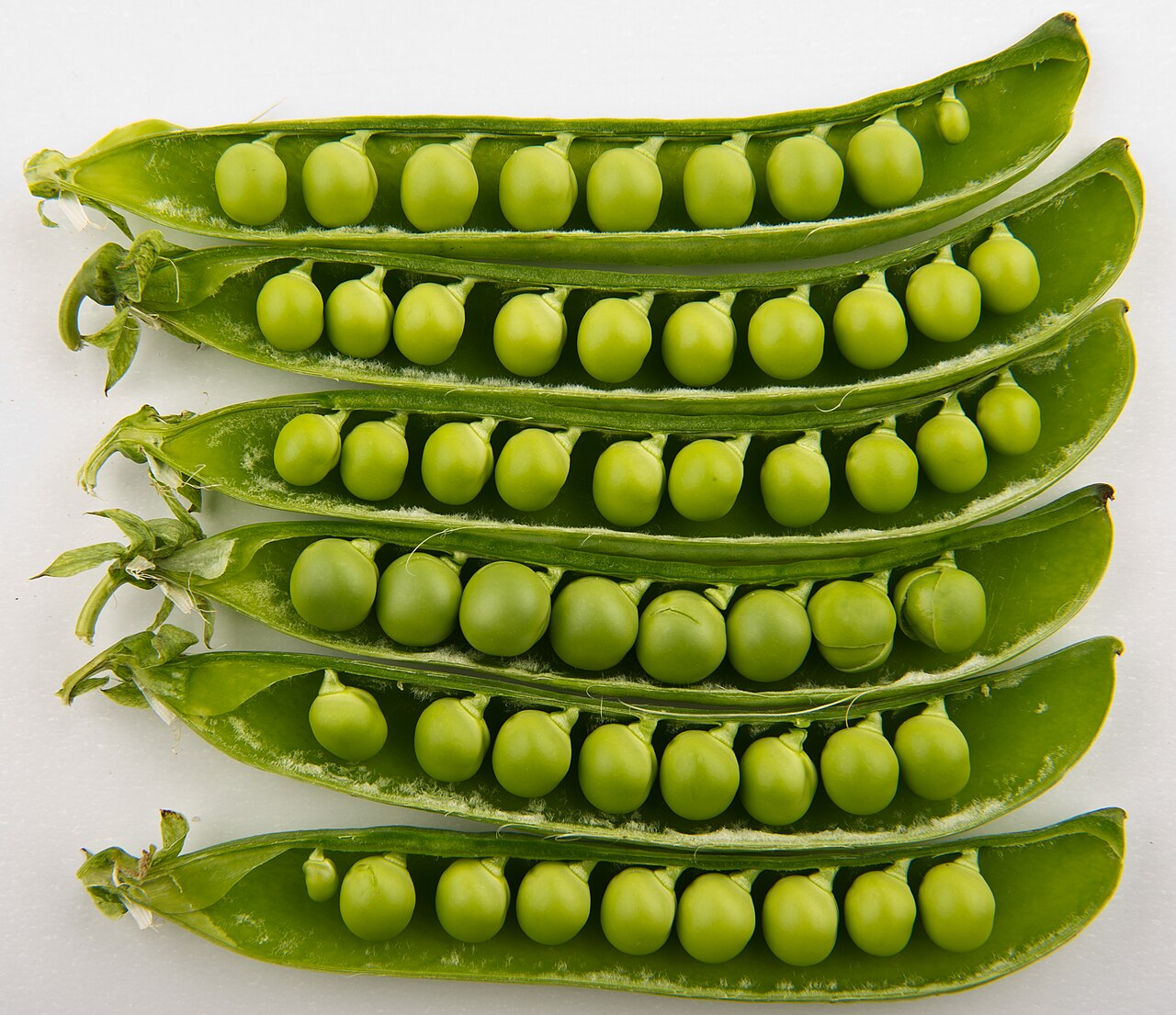
Our sugar snap peas, which often reach impressive heights of 6-9 feet, are true champions of the spring garden. They are remarkably consistent, delivering bountiful yields in both spring and fall, filling our fridges with pounds of crisp pods. Whether tossed into pasta, baked to perfection, or added to a steaming bowl of Chinese soup, their fresh crunch is incomparable. Many of us also preserve a portion of the harvest by freezing them, ensuring a taste of summer’s early bounty months down the line.
However, despite their vigorous growth and seemingly endless flowers—sometimes hundreds still clinging to the vines—peas are cool-season crops. As July approaches and temperatures consistently rise, they begin to falter. Their production slows, the quality of the pods declines, and the plants become stressed, making them more susceptible to pests and diseases. While it can be disheartening to cut down a plant that still shows signs of life, knowing when to make the call is crucial for the overall health and productivity of your garden. It’s a necessary step to optimize your growing space for the crops that truly thrive in the heat.
Why Beans are the Summer's MVP
This is where the magic of the changing of the guard from peas to beans truly shines. Beans are, quite simply, summer champions. Unlike their cool-weather counterparts, they revel in the heat and humidity that often characterize July and August. They are prolific producers, often yielding continuously for weeks, sometimes even months, with regular harvesting.
Beyond their impressive yields, beans offer another significant benefit to your garden: they are nitrogen fixers. Through a symbiotic relationship with bacteria in their root nodules, beans convert atmospheric nitrogen into a form usable by plants. This natural process enriches your soil, reducing the need for synthetic nitrogen fertilizers and benefiting subsequent crops. This ecological contribution makes them an invaluable part of any sustainable garden rotation, especially after nutrient-hungry peas.
Preparing the Stage: A Smooth Transition for Your Garden Beds
A successful pea-to-bean swap requires thoughtful preparation, ensuring your soil and new plants are set up for success.
Maximizing Your Final Pea Harvest
Before the cutting begins, ensure you've harvested every last pea pod. Walk through your rows carefully, even those hidden beneath foliage, to collect any remaining gems. For those with a significant harvest, beyond immediate consumption, freezing is an excellent option. Blanching the peas briefly in boiling water before an ice bath helps preserve their color, texture, and flavor for up to a year. They can then be enjoyed in stir-fries, casseroles, or simply as a side dish, bringing that summer crunch to colder months.
For more detailed strategies on preserving your pea bounty and exploring various bean alternatives, consider reading
Summer Garden Shift: From Abundant Peas to New Bean Varieties.
Rejuvenating Your Soil: The Decomposed Legacy
Once your pea harvest is complete, it's time for removal. Instead of pulling the entire plant out, which can disturb beneficial soil microbes and release valuable nitrogen, cut the pea plants down at soil level. This leaves the roots, rich in nitrogen, to decompose naturally in the soil, slowly releasing nutrients for your next crop.
Next, address any weeds that may have taken hold. If you've encountered a proliferation of weeds after using straw in your compost, as some gardeners discover, you're not alone. Straw can sometimes contain weed seeds, causing more trouble than it's worth. For future compost endeavors, consider alternative "brown" materials like dried leaves, shredded cardboard, or wood chips to avoid such issues.
After weeding, a wonderful practice is to chop up the removed pea plants and weeds (provided they haven't gone to seed) and bury them directly into the garden beds. Dig a trench, lay in the organic matter, and cover it with soil. Over the next few months, this organic material will decompose, enriching the soil with vital nutrients and improving its structure. It's a natural, slow-release fertilizer system, embodying the garden's continuous cycle of giving back. This method ensures your beds are robust and ready for the next round of planting, without needing to haul off organic waste.
Welcoming the New Recruits: Planting Your Summer Beans
With the beds prepped and the soil rejuvenated, it's time to introduce the stars of your summer garden.
Choosing Your Bean Champions: Bush vs. Pole
The world of beans is wonderfully diverse, offering options to suit every garden size and gardener's preference. This year, many gardeners are turning to varieties like 'Cosmos' bush beans, known for their compact growth, quick maturity, and concentrated harvest. These are excellent for containers or smaller beds, providing a substantial yield without requiring extensive support. They’re often planted in multiple containers, even repurposing spaces like long kale bins.
For those with more vertical space, 'Monte Gusto' pole beans are a fantastic choice. These vigorous climbers require support structures like fences or trellises, but their continuous production and high yields make the effort worthwhile. Watching them ascend their supports, their delicate tendrils reaching for the sun, is a testament to the garden's vitality.
And sometimes, nature throws in a wonderful surprise! It's not uncommon for a "forgotten" bean from a previous season – perhaps a yard-long bean planted two years ago – to spontaneously sprout, defying all odds. These unexpected gifts are a delightful reminder of the resilience and magic inherent in every garden. Whether you're planting green beans, lima beans, or special heirloom varieties, there's a bean for every palate and purpose.
Planting for Success: Tips and Tricks
Once you’ve selected your bean varieties, proper planting techniques will ensure a bountiful harvest. Beans prefer well-draining soil and a sunny location (at least 6-8 hours of direct sun per day). Plant seeds directly into the prepared soil after the last danger of frost has passed and soil temperatures have warmed sufficiently. Follow seed packet instructions for proper spacing and planting depth, typically about 1 inch deep and 3-6 inches apart, depending on the variety.
For pole beans, install your trellises, stakes, or fences *before* planting. This avoids disturbing the delicate root systems once the plants begin to grow. As the pole beans emerge, gently guide their tendrils towards the supports, and they will quickly learn to climb on their own. Consistent moisture is crucial for bean development, especially during flowering and pod formation, so water regularly, particularly during dry spells.
Consider succession planting for an extended harvest. Plant a new batch of bush beans every 2-3 weeks until about two months before your first expected fall frost. This staggered planting ensures a continuous supply of fresh beans rather than a single overwhelming harvest.
For a comprehensive guide on transitioning your garden and specific tips for planting various bean types, refer to
Planting Guide: Swapping Sugar Snap Peas for Thriving Summer Beans.
The great pea-to-bean swap is more than just a seasonal chore; it’s an integral part of the garden’s natural rhythm. It celebrates the completion of one cycle and the exciting beginning of another. By understanding the needs of your plants and preparing your garden beds thoughtfully, you can ensure a seamless transition and enjoy a continuous parade of fresh, homegrown produce all summer long. Embracing this changing of the guard from peas to beans not only enriches your soil but also ensures your kitchen remains full of vibrant, garden-fresh flavors.