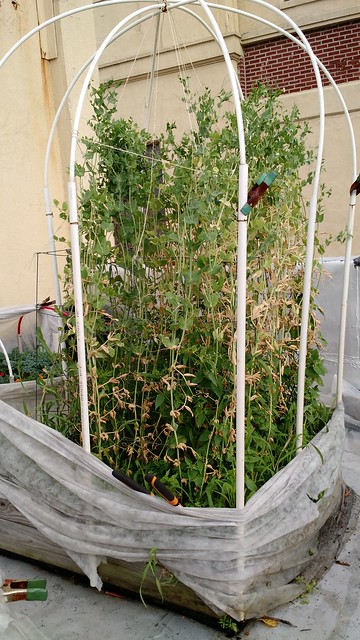
Summer Garden Shift: The Changing of the Guard From Peas to Beans
As the vibrant hues of spring gardens begin to mellow, a fascinating and essential transformation takes place. Gardeners eagerly anticipate this seasonal shift, a period of transition where one generation of plants makes way for the next. This dynamic cycle is beautifully encapsulated in the familiar scene of the changing of the guard from peas to beans, marking summer's true arrival. The prolific output of early season crops, like the beloved sugar snap peas, gives way to the promise of new growth, particularly the diverse and abundant world of beans.
The journey from late spring to mid-summer in the garden is a testament to nature's rhythm and a gardener's foresight. It's a time of clearing, preparing, and replanting, ensuring a continuous harvest throughout the warmer months. While saying goodbye to some favorites can be bittersweet, the excitement of new varieties and the ongoing bounty they promise is an invigorating part of the gardening experience. Let's delve into this pivotal moment, exploring the departure of our cherished peas and the grand entrance of various bean varieties, along with the crucial steps to ensure a thriving summer garden.
The Grand Finale of Spring: Celebrating Sugar Snap Peas
For many gardeners, the arrival of sugar snap peas is one of the most anticipated moments of late spring. These delightful pods, crisp and sweet, represent the quintessential taste of the season. They are often among the most consistent and high-yielding plants, gracing our tables with an abundance of fresh, vibrant produce in both spring and often a second fall crop in temperate climates. Imagine the satisfaction of harvesting several pounds of these verdant treasures, ready to be enjoyed in countless ways.
From being tossed into a savory pasta dish, baked to a tender crisp, or adding a fresh crunch to a flavorful Chinese soup, sugar snap peas are incredibly versatile. Their prolific nature often means a surplus, leading many to preserve them for future enjoyment. Freezing peas is a popular method, allowing you to savor that "summer crunch" even months later. As these vigorous plants reach impressive heights, often scaling trellises to 6-9 feet, their final flourish of blossoms is a beautiful sight. However, as July approaches, even with numerous flowers still promising more pods, the bittersweet decision must be made: the peas, having completed their duty, must be cleared to make room for the heat-loving stars of summer. This transition is a crucial part of maximizing the garden's potential, setting the stage for the true changing of the guard from peas to beans.
Preparing the Stage: Soil Renewal and Garden Transformation
The success of any new planting hinges on meticulous preparation. Once the pea plants have been harvested and their season concludes, the work of soil renewal begins. This isn't merely about clearing space; it's about enriching the foundation for the next crop. A sustainable gardening practice involves more than just removing spent plants; it's about giving back to the earth that has so generously provided.
Instead of discarding the cut pea plants and any weeds that may have sprouted, consider them valuable organic matter. Chopping them up and burying them directly into the soil is an excellent way to replenish nutrients and improve soil structure. This "chop and drop" method, akin to a simplified form of green manuring, allows the organic material to decompose, returning vital nutrients to the soil. In just a few months, this buried biomass will transform into rich, fertile ground, ready to nourish the next round of plants. This practice underscores the cyclical nature of a healthy garden ecosystem.
While clearing, you might encounter unexpected challenges, such as a sudden influx of weeds. One common culprit can be the introduction of straw into compost, which, if not fully broken down or if containing viable seeds, can lead to a surprising surge of unwanted growth. Learning from such experiences is part of the gardening journey. Opting for well-rotted straw or exploring alternative weed suppression methods like mulching with weed-free materials can prevent future headaches. Ensuring your containers or garden beds are thoroughly weeded and the soil refreshed is a critical step in preparing for the summer bounty, especially when orchestrating the changing of the guard from peas to beans.
Ushering in Summer: New Bean Varieties Take the Spotlight
With the soil renewed and beds prepared, it's time to introduce the summer's stars: beans. This transition offers an exciting opportunity to explore a variety of bean types, each with its unique characteristics and growth habits. For instance, Cosmos bush beans are a popular choice for their compact growth, making them ideal for containers or smaller garden spaces. They typically produce their harvest over a shorter period, often in a concentrated flush.
For those with vertical space, Monte Gusto pole beans are an excellent option. These beans are vigorous climbers, requiring trellises, fences, or stakes to support their upward growth. Pole beans often provide a longer, more continuous harvest throughout the season, making them a productive choice for a steady supply of fresh beans. The rapid emergence of bean seedlings, sometimes just a few days after planting, is always a rewarding sight, signaling the swift progress of the summer garden.
Sometimes, the garden holds delightful surprises. Imagine discovering a robust yard long bean plant that spontaneously sprouted from a seed left behind two years prior! These unexpected gifts from the earth add a touch of magic to the gardening experience, demonstrating the incredible resilience and latent potential within our soil. Embracing these "garden miracles" is part of the joy and unpredictability that makes gardening so captivating. This rich diversity in bean varieties ensures that as the peas depart, the garden remains vibrant and productive, fulfilling the promise of a successful The Great Pea-to-Bean Swap: Transforming Your Summer Garden.
Beyond Peas and Beans: Other Summer Garden Swaps
While the changing of the guard from peas to beans is a highlight, it's part of a broader seasonal dance. Many other cool-weather crops are rotated out to make way for their warm-weather counterparts. For example, hardy collard greens might be replaced by sprawling pumpkin vines, and the space once occupied by broccoli and cauliflower could be home to productive soybeans and cucumbers. Even delicate lettuce, prone to bolting in the summer heat, often gives way to sun-loving cantaloupe or other melons.
This strategic crop rotation isn't just about suiting temperature preferences; it's a fundamental principle of maintaining soil health and managing pests and diseases. Different plants draw different nutrients from the soil, and rotating crops helps prevent the depletion of specific elements. It also breaks the life cycles of soil-borne pests and pathogens that might target particular plant families. Gardeners in warm-winter climates might be planting these summer crops in spring, while cooler climates are still harvesting their winter produce, highlighting the regional nuances of gardening. Understanding these broader shifts is key to a flourishing and sustainable garden ecosystem, ensuring productivity from early spring to late fall.
Tips for a Seamless Seasonal Transition
Executing a smooth transition in your garden, especially the changing of the guard from peas to beans, requires a blend of planning, observation, and adaptability. Here are some practical tips to ensure your summer garden thrives:
- Plan for Succession: Before spring planting, map out your garden beds. Identify which cool-season crops will be replaced by warm-season varieties. Knowing your local frost dates and growing season length is crucial for optimal timing.
- Prioritize Soil Health: Regularly amend your soil with compost. This enriches the soil, improves drainage, and provides a steady supply of nutrients for successive plantings. Consider cover crops or "green manure" practices between seasons if beds are left fallow for a period.
- Stagger Your Plantings: For crops like beans, consider planting in successions every 2-3 weeks to ensure a continuous harvest rather than one large flush. This extends your fresh produce supply.
- Provide Adequate Support: For climbing beans (pole beans), install trellises, stakes, or netting at the time of planting. This gives the young plants immediate support and saves you from disturbing them later.
- Water Consistently: Young seedlings, especially those planted in summer, are vulnerable to heat stress. Ensure consistent moisture, particularly during germination and early growth stages. Consider drip irrigation or soaker hoses for efficiency.
- Observe and Adapt: Pay close attention to your plants. Bolting lettuce, yellowing pea leaves, or a sudden pest presence are all signals. Be prepared to adapt your plans, whether it means an earlier harvest or introducing organic pest control.
- Embrace Organic Practices: Burying spent plant matter back into the soil, as mentioned, is an excellent way to recycle nutrients. Avoid chemical pesticides and fertilizers that can harm beneficial soil microbes. For more detailed guidance, refer to this Planting Guide: Swapping Sugar Snap Peas for Thriving Summer Beans.
The garden is a dynamic classroom, constantly teaching us about cycles, resilience, and the rewards of patient cultivation. The shift from abundant peas to promising new bean varieties is more than just a logistical change; it's a vibrant representation of the ongoing life and generosity of the summer garden. By understanding and actively participating in this natural transition, we ensure a continuous bounty, celebrating each plant's season in its turn.
